the lost art of postpartum rest
Jun 22, 2026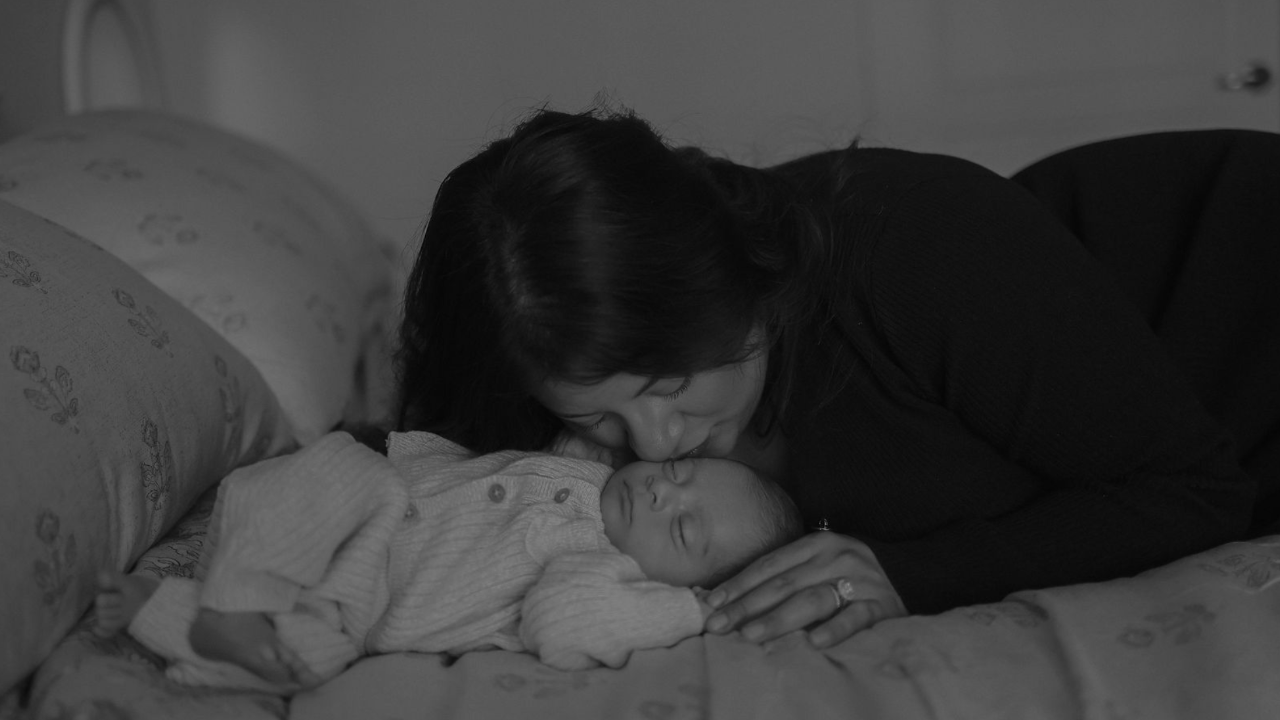
There is a saying often shared in the birth world:
Five days in the bed. Five days on the bed. Five days next to the bed.
This old wives tale also known as the "5-5-5 Rule" serves as a gentle reminder that postpartum recovery deserves time, patience, care and most importantly—rest.
And while I appreciate the fact that this wives tale is becoming more well honored, the truth is that fifteen days of rest is not the tradition many cultures around the world uphold.
Across continents and centuries, women have long recognized something modern culture often forgets and what Rachelle Garcia Seliga puts best:
“When we follow our physiologic design of birth, there is health and wellness. We stray from the physiological design of birth (interventions and interruptions) and there is disease and pathology resulting in trauma.
We have a physiological design for what our needs are in the postpartum. When we follow this design mothers and babies thrive, when we stray from this design there is postpartum disease.”
In many cultures, the postpartum period is treated as sacred. Mothers are encouraged to remain at home, cared for by family and community, for anywhere from 21 to 60 days after birth. Meals are prepared for them. Household responsibilities are lifted from their shoulders. Visitors are limited. The focus becomes simple and beautiful—mother and baby. Resting, healing, bonding, and learning one another. One of my favorite things to reiterate is that the baby and mother are still one after birth. There is no separation, and there should be no separation. When you have a mother whose needs are met you have a baby whose needs are met. There is another saying that goes right along and that is hold the mother, not the baby. Not because women are weak after birth, but because they have gone through a transformation that has lead straight into a tender postpartum period.
The fourth trimester is real
We spend months preparing for labor and birth, but often very little time preparing for what comes after. The truth is, postpartum is the longest phase of becoming a mother with pregnancy being much shorter in length and birth being the shortest.
The body is still doing incredible work after your baby arrives, and often postpartum lasts far beyond the six week milestone our culture expects women to return fully at. In fact, it can take women one to two years to fully return back to their non pregnant healed state.
Immediately after birth your uterus is contracting and shrinking, hormones are shifting dramatically, blood volume is regulating, tissues are healing, milk supply is becoming established and nervous system is adjusting to life with a new baby.
The postpartum period is not merely recovery from pregnancy. It is a complete physiological transition.
Just as pregnancy unfolds over forty weeks, healing deserves time as well.
Rest is an investment in long-term health
Many mothers are surprised to hear that postpartum recovery can influence health not only in the weeks after birth, but in the years that follow. When women are supported in resting, nourishing themselves, and recovering fully, we often see benefits such as:
-
Improved breastfeeding establishment
-
Better hormonal regulation
-
Stronger emotional wellbeing
-
Enhanced bonding with baby
-
Improved pelvic floor recovery
-
Reduced physical exhaustion
-
Greater replenishment of nutrient stores
-
More sustainable recovery for future pregnancies
This is not about perfection.
It is not about spending six weeks confined to a bed.
It is about embracing the understanding that healing takes time and that your body deserves the opportunity to recover before returning to the demands of everyday life. To put it simply, women need to be in a comfy place naked with their baby surrounded by those who cultivate warmth and peace for her.
Around the world, mothers return to warmth
One common thread woven through postpartum traditions across cultures is the concept of warmth.
In Traditional Chinese postpartum care, mothers practice a period often translated as "sitting the month."
In parts of Latin America, families observe la cuarentena, a forty-day period of recovery and protection.
In many traditional cultures, cold foods, excessive exertion, and exposure to cold temperatures are avoided while warmth, nourishment, and rest are emphasized.
Though practices vary, the principle remains the same:
Birth opens a woman physically, emotionally, and energetically. Warmth helps bring her home to herself again.
Returning to warmth can look like:
-
Warm, nourishing soups and broths
-
Mineral-rich stews
-
Herbal teas
-
Postpartum herbal baths
-
Abdominal wrapping or belly binding
-
Gentle massage
-
Warm blankets and socks
-
Resting with baby skin-to-skin
These practices are not luxuries. They are invitations for the body to settle, repair, and replenish.
The work can wait
One of the greatest gifts a mother can give herself is permission to slow down.
The laundry can wait.
The thank-you notes can wait.
The social obligations can wait.
This season arrives only once with each baby.
Years from now, you will not remember how quickly you answered messages or folded clothes. You will remember the weight of your newborn sleeping on your chest. The tiny sounds they made. The quiet mornings spent learning one another.
Postpartum is not a race back to normal, because the truth is, there is no going back. Slowly you will uncover pieces of your former self and the things that you enjoyed. But a mother has just been born, too.
A gentle invitation
If you are expecting a baby, consider how you can create a cocoon of support around yourself before birth.
Who can bring meals?
Who can help with older children?
Who can wash dishes, fold laundry, or walk the dog?
How can you create space to rest?
The 5-5-5 rule is a beautiful beginning.
But perhaps the deeper wisdom is this:
For generations, women have known that postpartum deserves more than fifteen days.
It deserves reverence.
It deserves community.
It deserves warmth.
And most of all, it deserves time.
As you prepare to welcome your baby, may you remember that healing is not something to rush. The world will still be waiting when you emerge from your postpartum cocoon.
For now, rest.
Your body knows the way.
join our email newsletter and stay connected
weekly updates and even more resources when you subscribe
We hate SPAM. We will never sell your information, for any reason.
Authors

